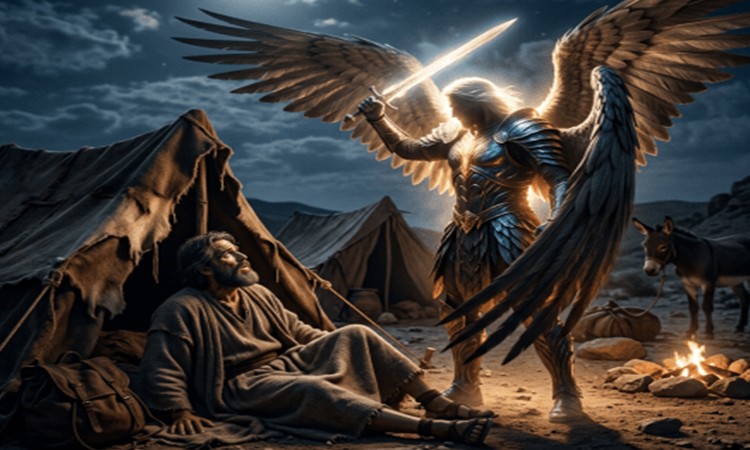
Exodus 4:24 is a perplexing yet pivotal verse in Moses’ mission to lead the Israelites from Egypt: “At a lodging place on the way, the Lord met Moses and was about to kill him.”
This moment raises crucial questions about divine intention, obedience, and the covenant central to Moses’ journey. This is understanding Exodus 4:24: a critical moment in Mosaic narrative.
Setting the Scene
After Moses’ encounter with God at the burning bush, he received a monumental task: deliver the Israelites from slavery. His journey to Egypt is more than a physical move. It denotes a deeper spiritual mission with divine significance.
As Moses travels with his wife, Zipporah, and their son, God’s sudden threat stresses the importance of obedience and covenant to the story.
The Significance of Covenant
To grasp the gravity of Exodus 4:24, we must see the covenant theme in the Hebrew Scriptures. Circumcision is central to the Abrahamic covenant. It constitutes a key obligation for Abraham’s descendants, including Moses.
Theologians suggest that Moses’ failure to circumcise his son is a direct violation of this covenant, may lead to God’s furious intervention.
This moment stresses the belief that obedience to God’s commands is fundamental. Even a leader as significant as Moses is not exempt from the consequences of disobedience.
The tension among divine authority and human responsibility is palpably illustrated here, daring readers to consider their own commitments to faith and obedience.
Zipporah’s Role
It is Zipporah who acts at this critical moment. In a daring move, she circumcises their son and touches Moses’ feet with the foreskin. She exclaims, “Surely you are a bridegroom of blood to me.”
Her declaration shows she understands the seriousness of the situation. It additionally highlights the link between life, blood, and covenant. Her quick action saves Moses and makes her a key figure in the story.
Zipporah’s actions may prompt discussion of gender roles in the biblical text. Her decisive act contrasts with Moses’ apparent complacency. This highlights how divine purposes are sometimes fulfilled in surprising ways.
Theological Implications
Exodus 4:24 questions readers with tough questions about God’s nature. Why would God threaten His chosen leader? The scene highlights God’s holiness and justice. It shows that covenant obligations cannot be ignored.
The abrupt nature of God’s intention to kill Moses can be understood less as capriciousness and more as a serious reminder of the significance placed on His commands.
This episode serves as a turning point, highlighting the gravity of Moses’ calling and the expectation that divine missions demand commitment and obedience to God’s order.
Reflection and Application
For modern readers, the key takeaway from Exodus 4:24 is the necessity of personal faithfulness and the seriousness of maintaining commitments. The story promotes reflection on areas of disobedience or neglect, especially concerning spiritual responsibilities.
Zipporah’s quick action also teaches how God can work through anyone. This lesson stands regardless of someone’s status or gender role. The story shows joint responsibility in spiritual matters. All family members have vital roles in encouraging faith.
Conclusion
Exodus 4:24 compels readers to think on divine-human relationship and the importance of covenant, showing how individual commitment shapes faith in action.
by: Fred Banks
 Christian Briefs