Introduction
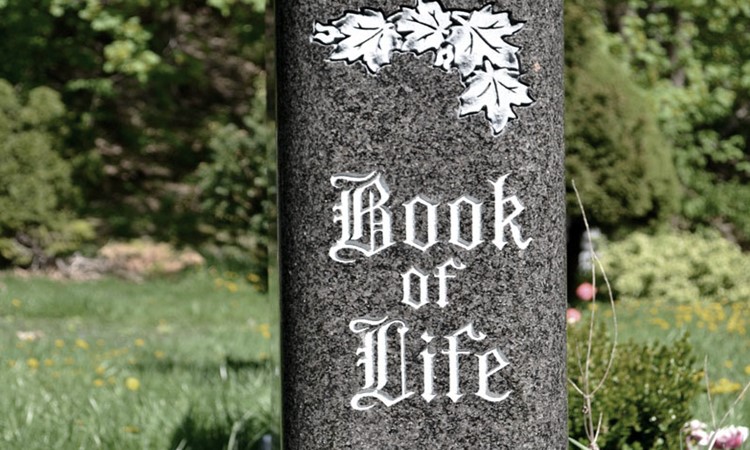
The Book of Life is a profound concept found in many religious traditions, symbolizing a record of those who are granted eternal life. This article is your name in the book of life?, explores the significance of the Book of Life, what it means to have one’s name written in it, and how individuals can ensure they are included.
Understanding the Book of Life
The Book of Life is often viewed as a divine ledger, containing the names of all who are destined for salvation. It’s mentioned in various scriptures, including the Bible, and serves as a reminder of the importance of one’s relationship with the divine.
Biblical References
In the Christian tradition, references to the Book of Life can be found in the following scriptures:
- Exodus 32:32 But now, please forgive their sin—but if not, then blot me out of the book you have written.”
- Philippians 4:3: Yes, and I ask you, my true companion, help these women since they have contended at my side in the cause of the gospel, along with Clement and the rest of my co-workers, whose names are in the book of life.
- Revelation 20:15: Anyone whose name was not found written in the book of life was thrown into the lake of fire.
The Meaning of Being “Written“
Having one’s name written in the Book of Life signifies acceptance and a sense of belonging within the faith community. It represents a commitment to live by the teachings and principles laid out in scripture.
Assurance of Salvation
Many believers seek assurance that their names are in the Book of Life. Understanding salvation through faith and grace is essential. Reflecting on one’s faith journey often helps clarify this aspect of oneself.
Criteria for Inclusion
Different faith traditions define the criteria for having one’s name written in the Book of Life. Common themes include faith in God, repentance for sins, and living a life in alignment with divine teachings.
The Importance of Faith
Faith plays a crucial role in being acknowledged in the Book of Life. It is through faith that individuals maintain their relationship with the divine, grow spiritually, and embody the values of their beliefs.
The Role of Good Works
While faith is fundamental, good works are often seen as a manifestation of that faith. Engaging in acts of kindness and service can reflect one’s commitment to their faith and potentially impact one’s standing in the Book of Life.
Living a Life of Purpose
Understanding one’s purpose can strengthen one’s resolve to remain in good standing in the Book of Life. By living with intention and interacting positively with others, individuals can exemplify their faith.
Reflection and Self-Examination
Regular self-reflection and examination of one’s life can help individuals assess their alignment with their values and beliefs, including their faith. This practice encourages growth and reinforces one’s commitment to living a life that reflects their values and beliefs.
Community and Support
Being part of a faith community can provide support and encouragement. Shared worship, guidance, and fellowship can inspire individuals to remain faithful to their faith and stay committed to ensuring their names are in the Book of Life.
The Final Judgment
The concept of the final judgment is significant in many traditions. At the end of time, the Book of Life will be opened, and each individual’s faith journey will be evaluated. This reinforces the importance of living a life that reflects one’s beliefs.
Conclusion
Ultimately, the question, “Is your name in the Book of Life?” may lead to profound introspection and spiritual growth. Embracing faith, performing good deeds, and fostering a supportive community are essential steps toward ensuring one’s name is written in this sacred book.
Additional Resources
- Scripture Study: Daily readings and reflections on the Book of Life.
- Faith Groups: Join discussions on salvation and the meaning of faith in different contexts.
- Personal Journaling: Document your spiritual journey and the steps you’re taking to align with your beliefs.
By contemplating these themes, readers can engage in a transformative exploration of their faith and the concept of the Book of Life.
By: Staff
 Christian Briefs