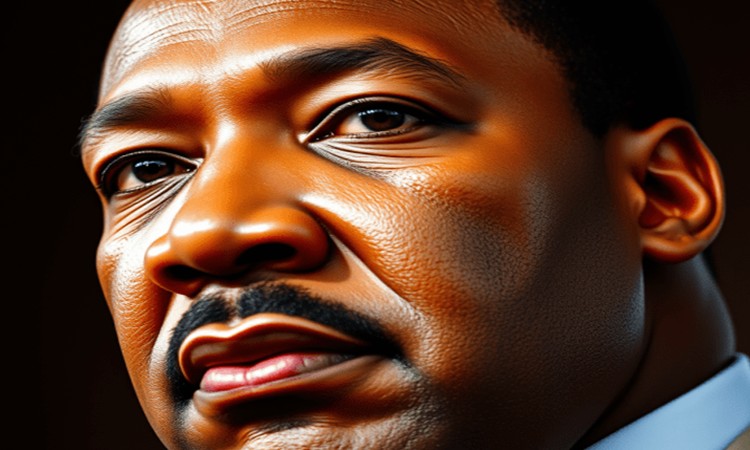
The Prayer Pilgrimage for Freedom was an important early civil rights demonstration. It took place on May 17, 1957, at the Lincoln Memorial in Washington, D.C. This event is known as Dr. Martin Luther King Jr.’s Prayer Pilgrimage for Freedom.
The event took place on the third anniversary of Brown v. Board of Education. It was meant to call the nation to moral renewal, push for federal action, and encourage continued efforts to end segregation.
What the event was
A large crowd gathered at the Lincoln Memorial, with about 15,000 to 25,000 people coming from all over the country to take part.
Leaders organized the event as a prayer-focused demonstration. They presented it as a spiritual appeal instead of a protest, hoping to avoid political backlash.
The event focused on enforcing Brown v. Board. Speakers called on the federal government to make sure school desegregation happened, since it was being resisted in the South.
Major civil rights leaders organized the event. A. Philip Randolph, Bayard Rustin, and Ella Baker led the planning, with help from the NAACP and the new SCLC.
The program lasted about three hours and included speeches, spirituals, and prayers. It combined religious expression with a sense of political urgency.
King’s role: “Give Us the Ballot.”
Martin Luther King Jr. gave the final speech of the day, called “Give Us the Ballot.”
This speech was King’s first major national moment and helped make him a key leader in the civil rights movement with his speech, King said that if Black Americans were allowed to vote freely, they could achieve justice through democracy.
He explained that voting rights were the key to ending segregation, protecting civil rights, and choosing leaders who support equality.
Why the Pilgrimage mattered
It marked King’s emergence as a national figure.
It unified religious, labor, and civil rights groups.
It signaled a shift toward mass, nonviolent public demonstrations.
It pressured the federal government to enforce civil rights rulings.
Although later marches often got more attention, this event helped set the stage for the 1963 March on Washington and the larger civil rights movement that followed.
by: Staff
 Christian Briefs