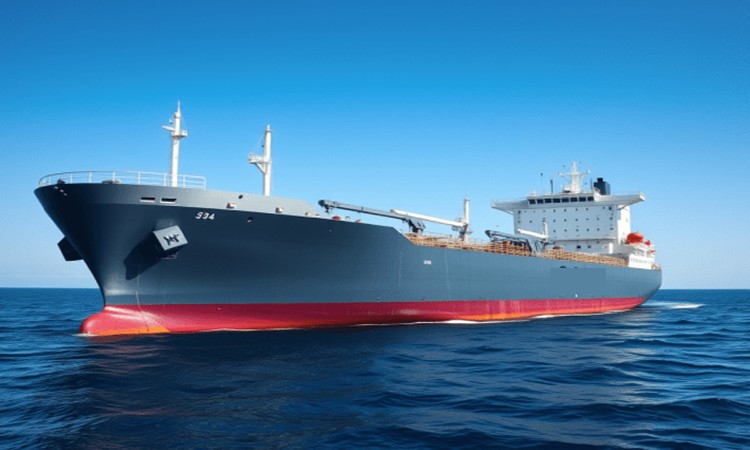
In December 2025, U.S. forces seized a Venezuelan oil tanker, marking a major escalation in the ongoing standoff between Washington and Nicolás Maduro’s government. This article attempts to explain why an oil tanker was seized by the U.S.
President Donald Trump confirmed the operation, describing the vessel as “a large tanker, very large, the largest one ever” and saying it was seized “for a very good reason”.
At first, the administration gave few details, but later reports and expert analysis clarified the reasons for the move and its wider geopolitical context.
The tanker at the center of the incident was called Skipper. It was already under U.S. sanctions and was part of what analysts call the global “shadow fleet,” a group of about 1,000 tankers used by countries like Russia, Iran, and Venezuela to secretly move oil and avoid international restrictions.
The Center for Strategic and International Studies reported that Skipper had been watched for years because it often carried sanctioned cargo, including shipments from Iran. When it appeared off the coast of Venezuela, the U.S. saw a chance to enforce sanctions more strictly.
The Trump administration’s reason for the seizure was part of a larger effort to pressure Maduro’s government. Since 2019, the U.S. has placed broad sanctions on Venezuela’s oil industry, accusing Maduro of corruption, drug trafficking, and authoritarian abuses.
The tanker was seized during a series of U.S. military strikes on suspected drug-smuggling vessels in the Caribbean and eastern Pacific. These operations had already caused dozens of deaths and increased scrutiny from Congress.
The administration said these actions were part of a campaign to disrupt criminal networks connected to the Venezuelan government.
The seizure also matched Trump’s more confrontational language. Around the time of the operation, he announced a “total and complete blockade” of sanctioned oil tankers going in or out of Venezuela and said the country was “surrounded by the largest Armada ever assembled in the history of South America”.
He also said that Venezuela must return “oil, land, and other assets” that he claimed had been “stolen” from the United States, TIME.
These statements showed that the administration saw Venezuela’s oil exports, its main source of income, as fair targets in a campaign to force political change.
International law experts said the seizure raised difficult legal questions. The U.S. justified the action under its sanctions, but experts noted that taking control of a foreign merchant ship in international waters is rare and could be seen as an act of aggression.
Still, the Trump administration seemed sure of its legal position, stressing that the ship was under sanctions and accused of helping to evade them.
The White House later said the tanker and its cargo were being taken to a U.S. port and put into a forfeiture process, meaning the government planned to claim the oil onboard.
When asked what would happen to the seized oil, Trump replied, “Well, we keep it, I guess.” Jezebel. This comment drew international attention and sparked debate about the administration’s intentions.
In the end, the seizure of the Venezuelan tanker was part of a larger plan to increase economic pressure, disrupt illegal networks, and weaken Maduro’s control.
It is still unclear if this move will have lasting effects, but it clearly marked a turning point in U.S.–Venezuela relations and showed the Trump administration was willing to use military force to enforce sanctions.
by: Staff

 Christian Briefs